
7 Historic Churches in Berlin You Should Visit
Berlin’s churches tell stories of emperors, medieval merchants, religious refugees, Nazi persecution, and the Peaceful Revolution.
As a Berlin tour guide, these are seven I recommend—not just for their architecture, but for the history you can discover inside and around them.
All are included as sights in my free Berlin trip-planning app, and several are included as stops on my audio tours found within the app.
1. Kaiser Wilhelm Memorial Church
The Kaiser Wilhelm Memorial Church brings two eras of Berlin together: the imperial age and the destruction of World War II.
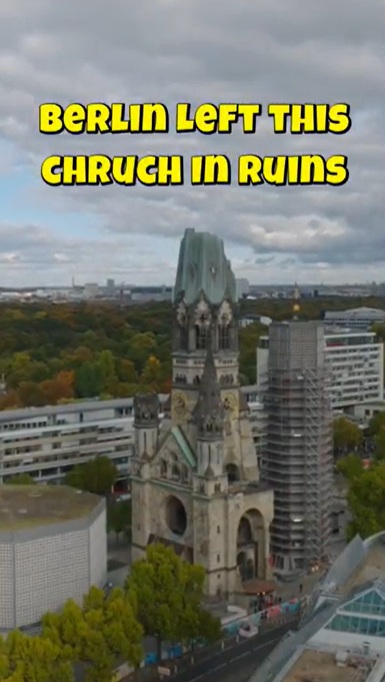
Originally built in honor of Kaiser Wilhelm I, its shattered tower was deliberately preserved as a reminder of war.
I recommend visiting the memorial hall to see surviving mosaics and historical exhibits, then stepping inside the modern church next door.
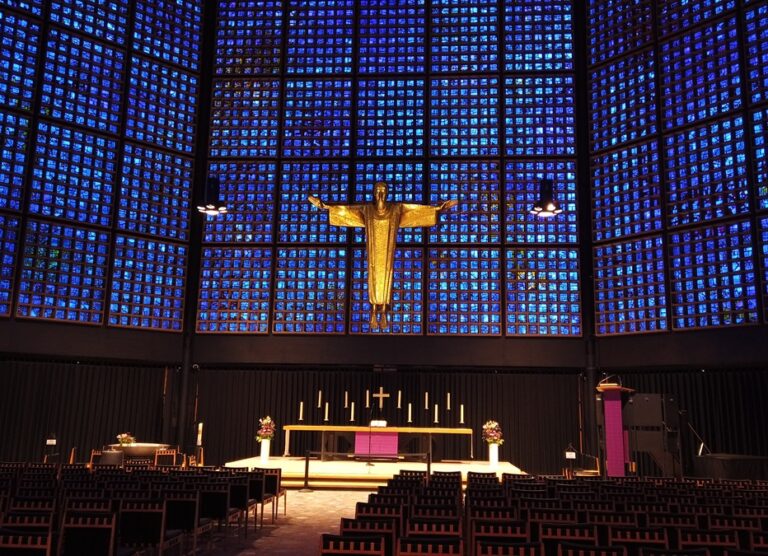
Its extraordinary blue glass makes it one of Berlin’s most memorable interiors. Tours of the ruined tower are occasionally offered; check availability before your visit.
2. Berliner Dom (Berlin Cathedral)
Berlin Cathedral feels much older than it is: the present building opened in 1905. I often compare its relationship with the Hohenzollern dynasty to Westminster Abbey’s connections with British royalty.
Inside, don’t miss the grand worship space and the Hohenzollern crypt, subject to current access arrangements.
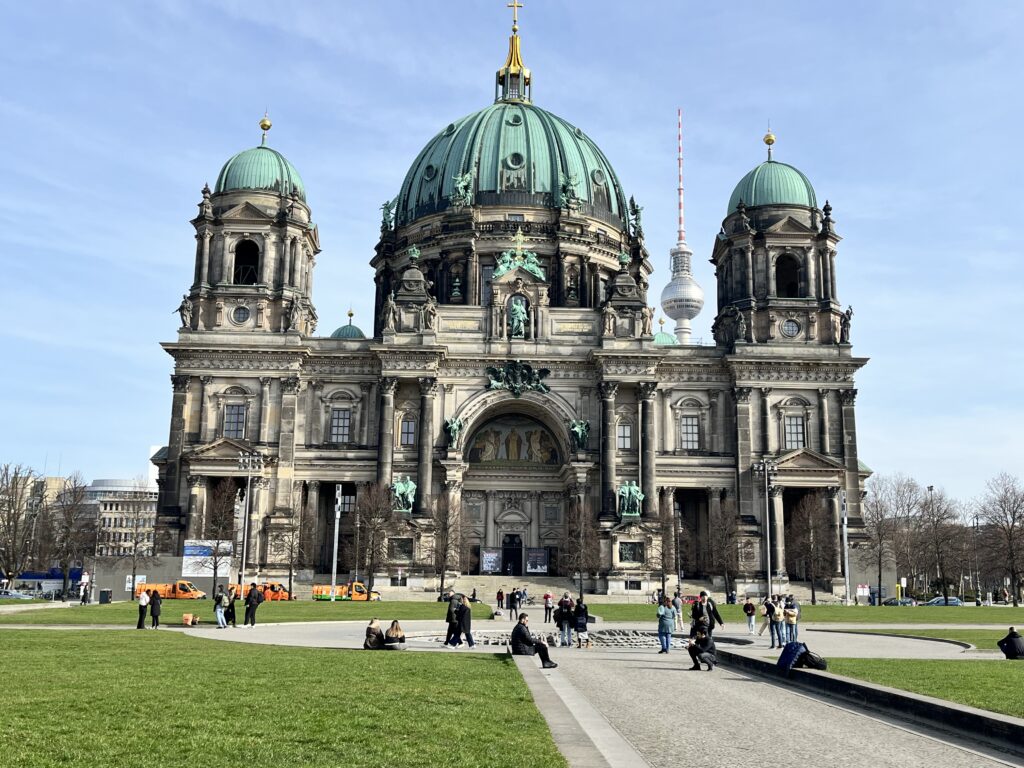
If you can manage the climb, the dome walkway rewards you with wonderful views across Museum Island and central Berlin.
Unlike many churches on this list, there is a ticket to visit as a tourist, though the Dom is included in the discount Berlin Welcome Card.
3. St. Mary’s Church (Marienkirche)
Just steps from the TV Tower, Marienkirche is one of 2 survivors from medieval Berlin.
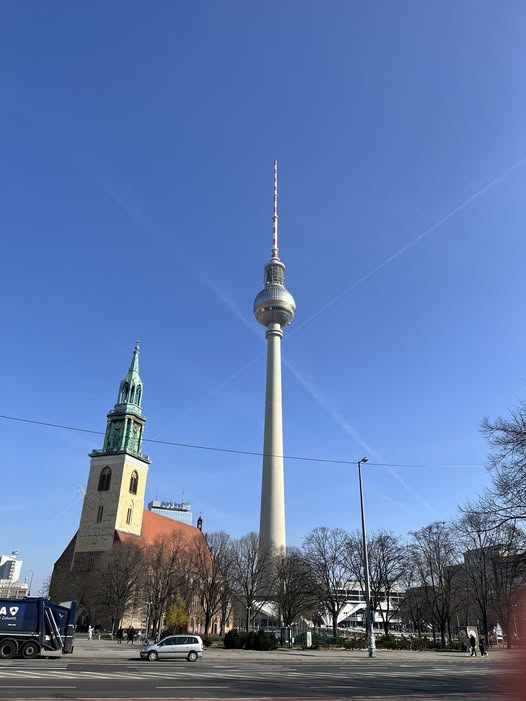
My favorite detail is the late-medieval Dance of Death mural near the tower entrance—easy to overlook if you hurry inside.
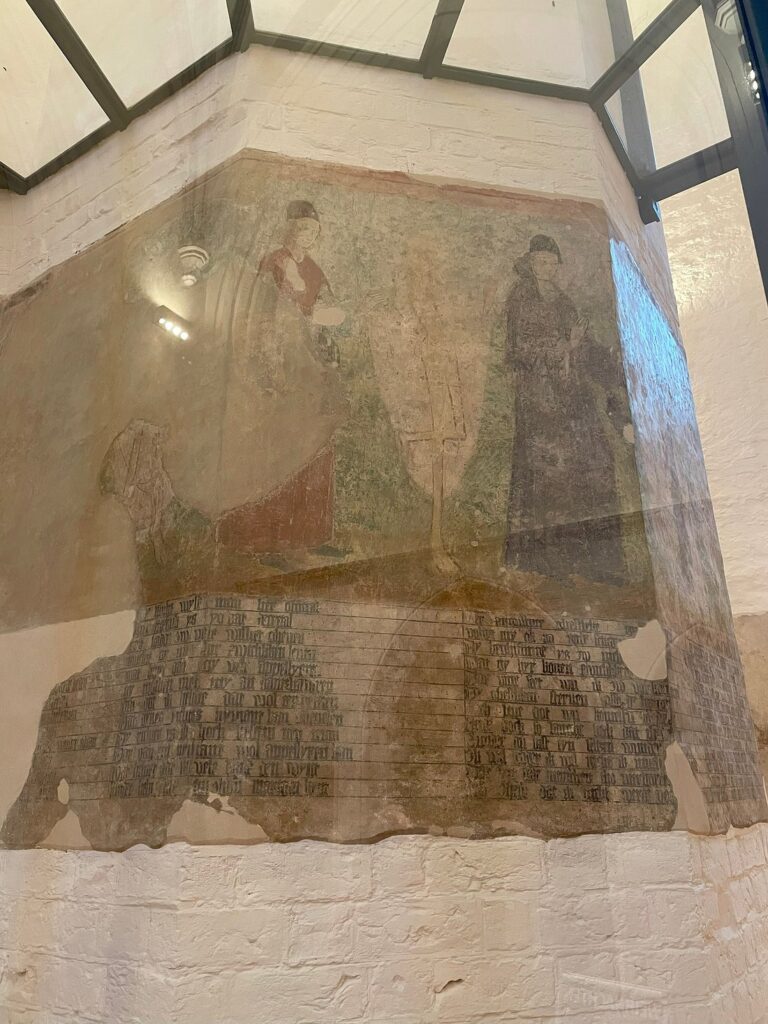
Outside, look for the markings of vanished streets and buildings and the nearby model showing how this area looked before wartime destruction and postwar redevelopment.
Martin Luther King Jr. preached here in September 1964, another remarkable connection to Berlin’s divided past.
Watch my video on the Marienkirche. It’s also a stop on my Origins of Berlin Audio Tour in my app.
4. St. Hedwig’s Cathedral
The round, Pantheon-inspired St. Hedwig’s Cathedral tells a story of Catholic life in historically Protestant Berlin.
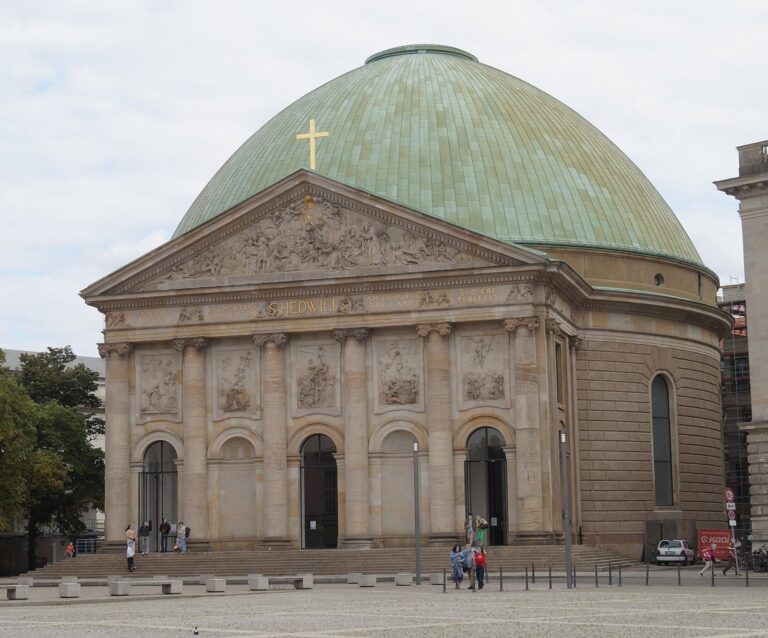
Named for St. Hedwig of Silesia, it also reflects Prussia’s ties to Silesia and its Catholic population.
Its setting beside Bebelplatz is especially poignant: the Nazis staged a notorious book burning here in May 1933.
In the cathedral’s crypt rests Bernhard Lichtenberg, the priest who publicly opposed Nazi persecution and died in 1943 while being transported toward Dachau.
Step inside to appreciate the striking contemporary interior; verify crypt access in advance.
5. Französischer Dom (French Cathedral)
Despite its name, the Französischer Dom is not a bishop’s cathedral.
Its story begins with the Huguenots, French Protestants who fled religious persecution and helped shape Berlin’s culture and economy after settling in Brandenburg-Prussia.
The French Church stands beside the monumental tower at Gendarmenmarkt, one of Berlin’s most beautiful squares.
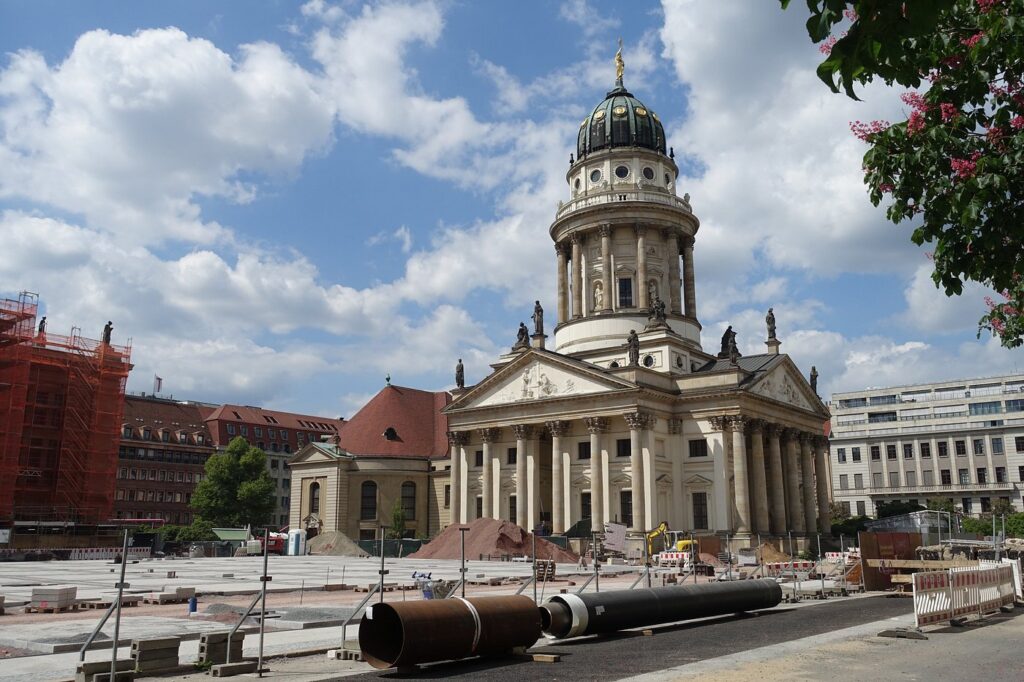
If you are interested in this often-overlooked chapter of the city’s history, the Huguenot Museum is worth exploring. Check opening hours and access before visiting.
Like the Berliner Dom, entrance to this church is included in the Berlin Welcome Card.
Tip: There is an observation deck, but in my opinion, there are better options available in Berlin.
6. Nikolaikirche (St. Nicholas’ Church)
The Nikolaikirche stands at the heart of the Nikolaiviertel, close to where medieval Berlin began.
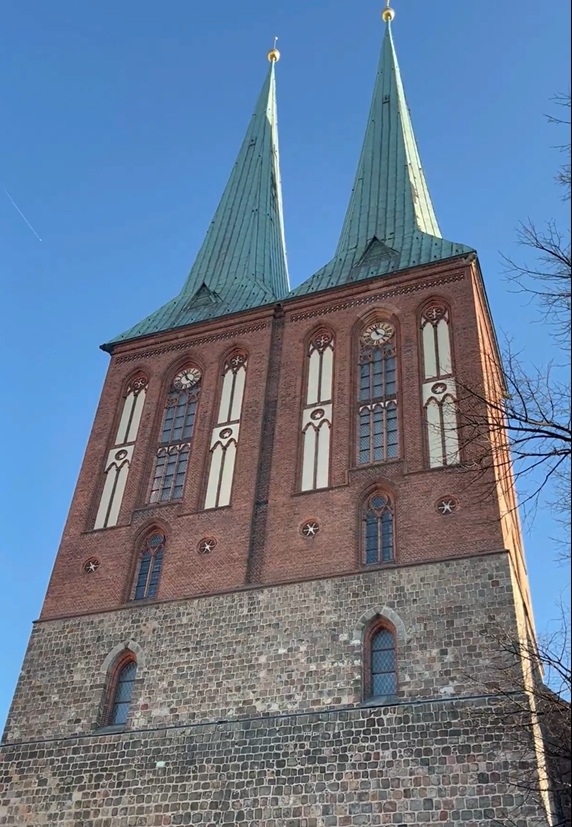
Its origins reach back to the thirteenth century, even though the building you see today has been extensively reconstructed.
It is no longer a working parish church: today it is a museum and cultural venue, with historical objects, exhibitions, and occasional installations.
Outside, take a moment to explore the reconstructed neighborhood, shaped in part for Berlin’s 750th anniversary celebrations in 1987.
Entry to the museum is generally ticketed, and it’s also included in the Berlin Welcome Card.
7. Gethsemane Church
Gethsemane Church in Prenzlauer Berg became internationally known during the final weeks of East Germany.
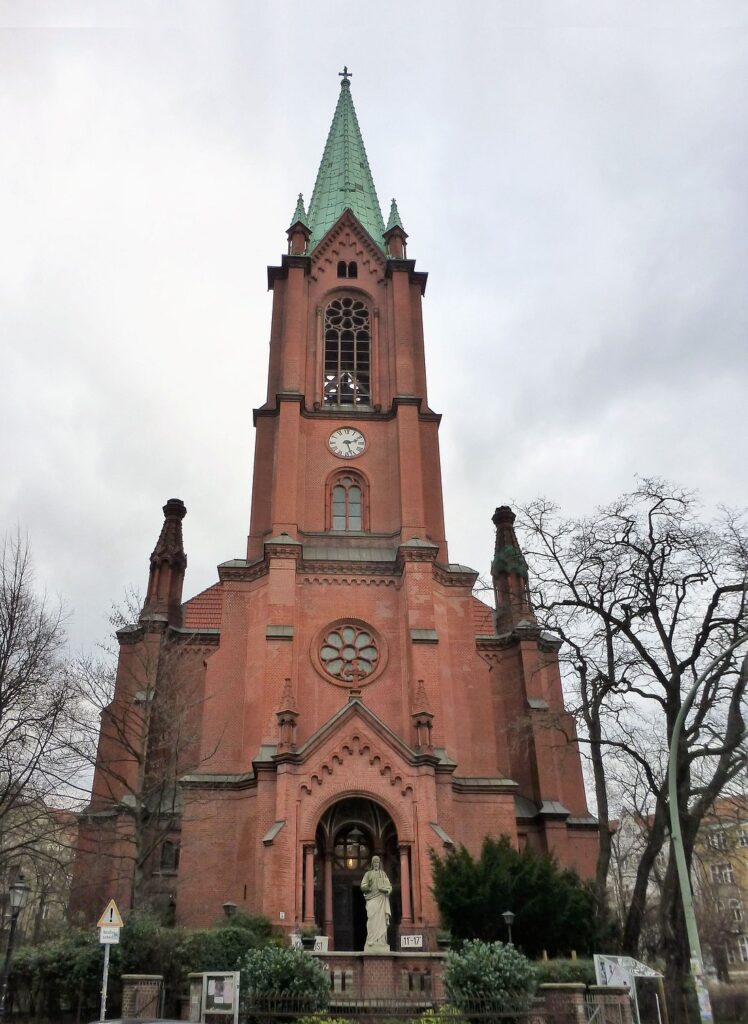
In 1989, it offered space for vigils, prayer, and support for people challenging the GDR authorities.
For visitors who remember television coverage of the Peaceful Revolution, this is one of the churches associated with those dramatic events.
It remains an active church today. I recommend visiting it as a part of my Prenzlauer Berg audio tour in my app.