How to Visit Berlin's Bunker and Air Raid Shelters
How to Visit Berlin's Bunker and Air Raid Shelters
From enormous concrete towers to underground shelters to almost anything in between, here are ten types of WWII bunkers and air-raid shelters you can still visit in Berlin today.
#1: Tiefbunkers
Numerous spaces, mostly under and around Berlin’s U-Bahn system, were converted into air-raid shelters.
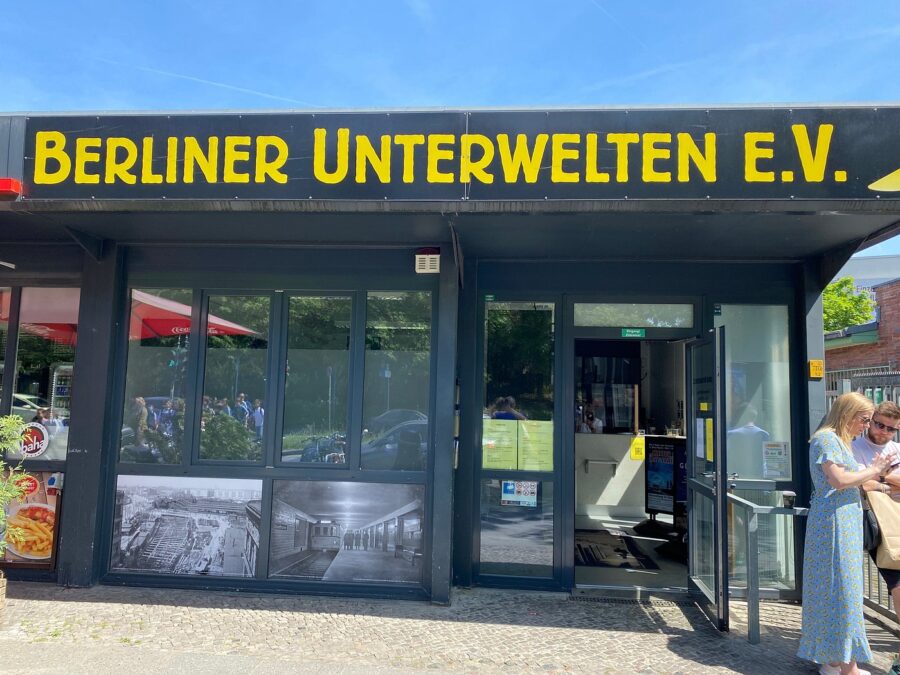
One of the best examples lies beneath Gesundbrunnen Station and can be visited on Berliner Unterwelten’s Dark Worlds tour.
This is a must-do and one of the most praised tours in Berlin.
TIP: If you take the tour on a Saturday, you should be able to visit the Mythos Germania exhibit, also at Gesundbrunnen. Also, cross the street into Hum
#2: Hochbunkers
These enormous above-ground concrete shelters, of which several still exist, were built where underground construction was difficult.
About half a dozen still exist today.
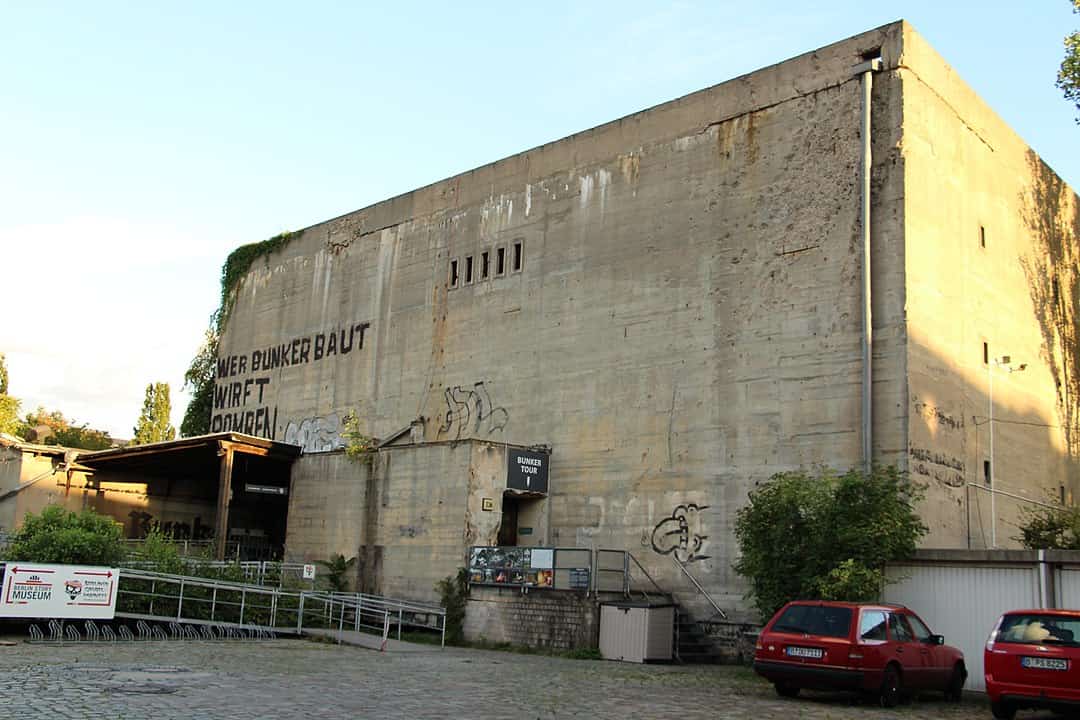
The most accessible today is the Anhalter Bahnhof bunker, now home to the Berlin Story Museum.
TIP: There is another hochbunker near Friedrichstrasse Station. It’s an art gallery that you could visit.
#3: Flakturm Humboldthain
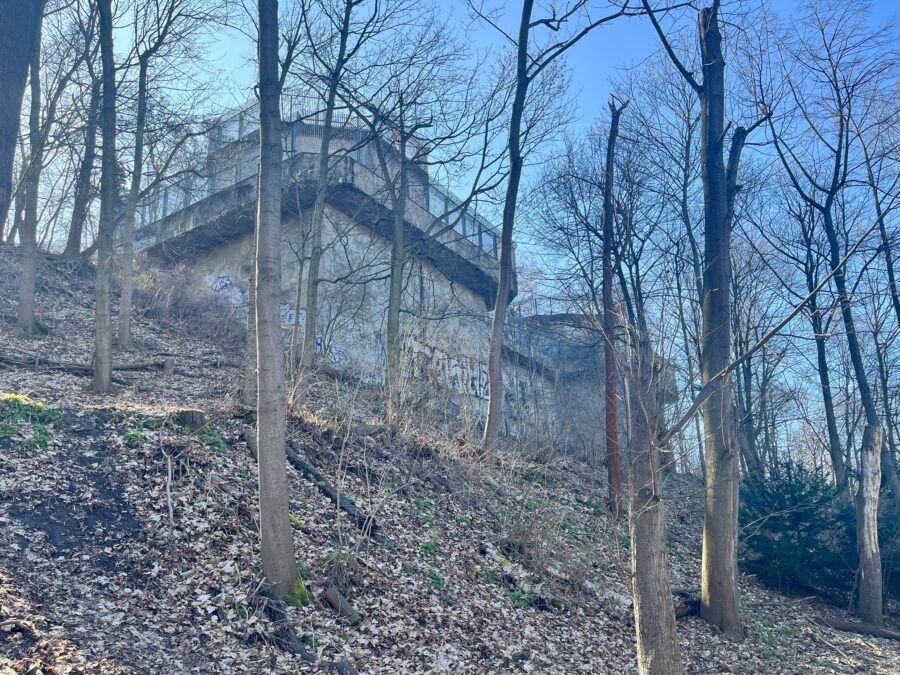
3 massive anti-aircraft fortress towers were constructed during the war to ward off Allied bombing raids on the city. They doubled as shelter for thousands of civilians.
The one at Humboldthain Park partially survived post-war, and parts of its interior can be explored with Berliner Unterwelten during the warmer months.
TIP: You don’t need a ticket to visit the outside and climb the tower. Access is free.
#4: Tempelhof Airport
The enormous airport complex contained air-raid shelters for workers and people inside the building.
It was one of several buildings built with integrated shelters just before the war.
DCIM101MEDIADJI_0014.JPG
Parts of the airport shelters can still be visited on guided tours.
#5: Converted structures
Not every shelter began as a bunker.
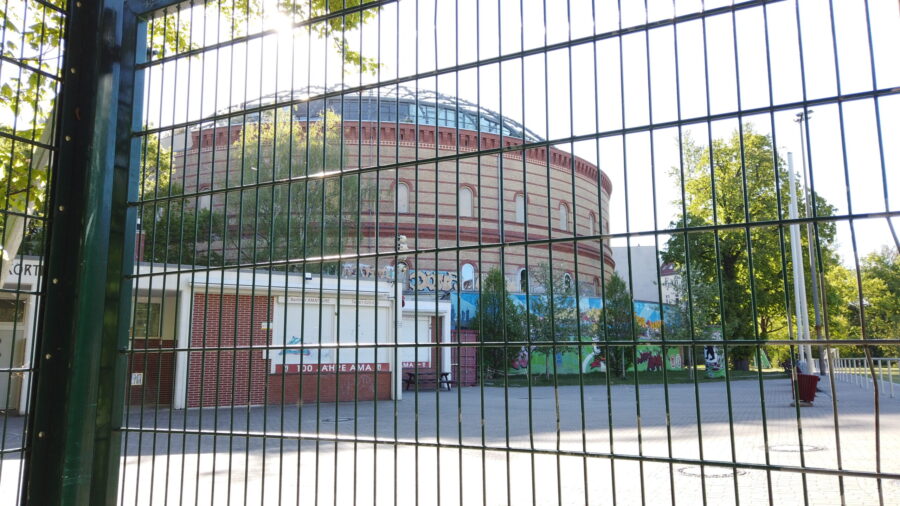
The Fichtebunker was once a gasometer; the Kleine Wasserspeicher, a reservoir.
The Fichtebunker, which was designed for mothers and children, can be visited on a tour with the Berliner Unterwelten.
The Kleine Wasserspeicher can be visited during art exhibitions.
#6: Surgical bunkers
Berlin’s hospitals needed protected spaces where medical care and even emergency surgery could continue during bombing raids.
At least one of 25 built in Berlin has survived, and it too can still be visited today.
TIP: It’s located in the Reinickendorf District in north Berlin (map), and the tour through the Berliner Unterwelten is in German only. It’s a bit of a hike for most in Berlin, so be sure to plan ahead.
#7: Einmannbunkers
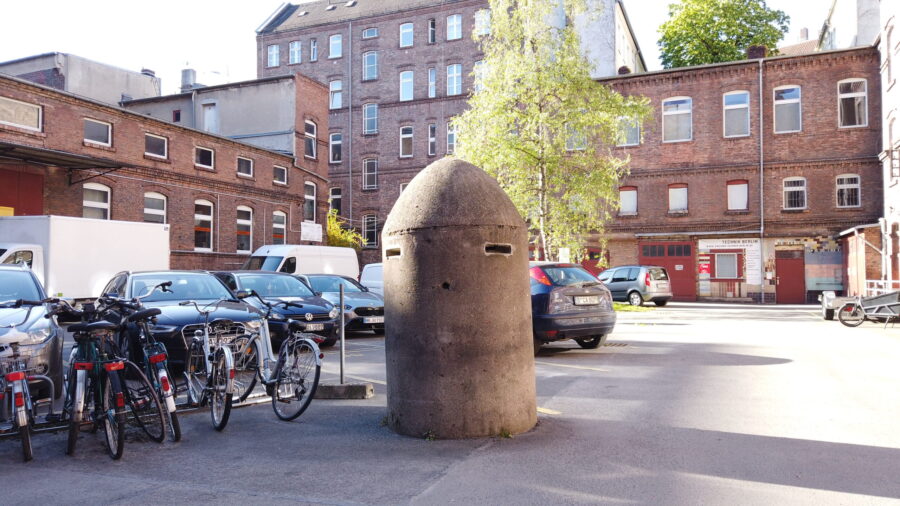
These tiny shelters were designed for one or only a few people, often railway workers, guards, or other essential personnel.
Several examples still survive around Berlin, including two just outside of the Berliner Unterwelten’s office.
The bunker in the image above is located in a hinterhof (courtyard) near Hassenheide Park (map). It’s just a 5-minute walk away from the Fichtebunker (mentioned above), so consider visiting both on the same trip.
#8: Railway and Communications Bunkers
Berlin’s rail system needed protected command, signaling, and communications facilities.
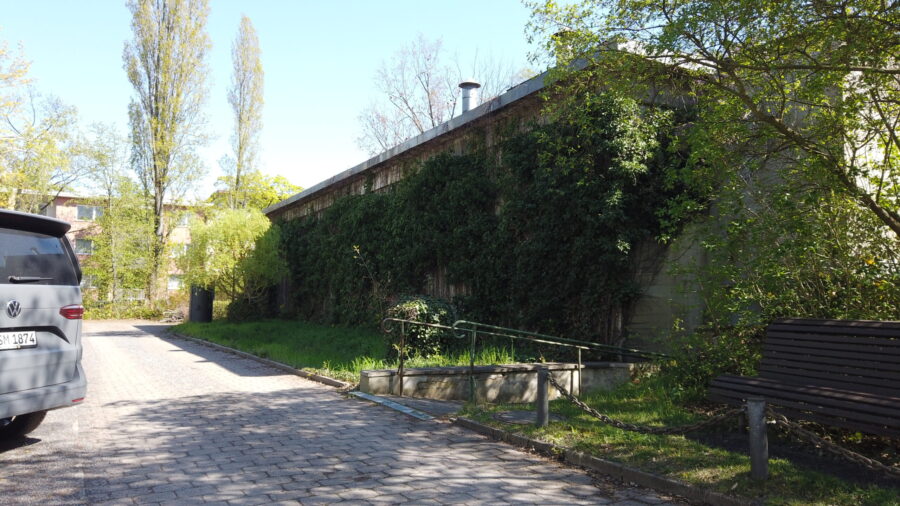
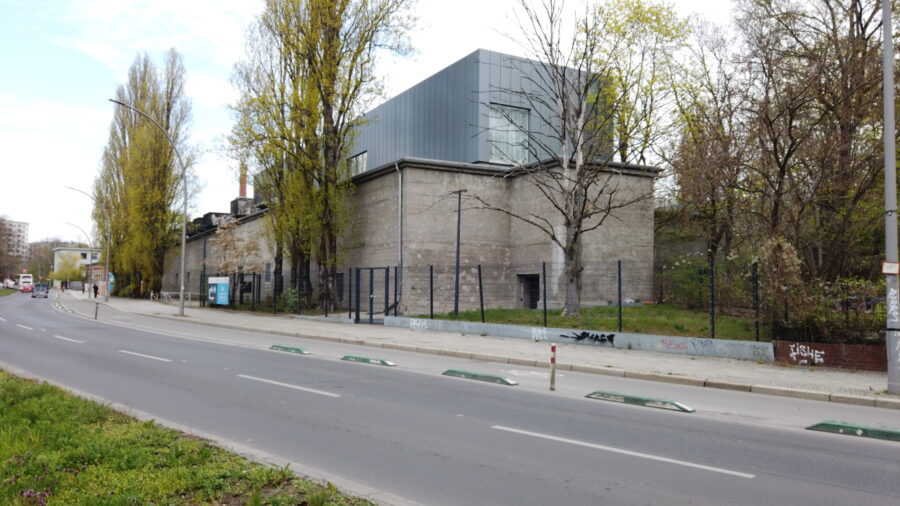
Some of these specialized structures still survive, including one beside the Landwehr Canal.
TIP: It’s located across the road from the Museum of Technology and nearby the Berlin Story Bunker, the latter being the better choice for visiting a bunker.
#9: The Schwerbelastungskörper
The Schwerbelastungskörper—or heavy load-bearing body—was a test to see if Berlin’s soil could hold a colossal arch.
The structure consists of two concrete cylinders, with the lower one reaching 18 meters underground.
It was tailor-made as a shelter. It’s free to enter and is open for self-guided tours. There’s also a tower that you can climb for 360 views of Berlin.
TIP: Be sure to check its website to make sure it’s accessible when you are in Berlin. Also, it’s a bit of a trip from most places in Berlin, so plan ahead.
#10: Honorable mention—the bunkers you cannot enter
Berlin’s most famous military and government bunkers include the Führerbunker and the now-in-the-news Reich Chancellery bunker complex.
You can visit the sites, but what’s left of the actual bunker interiors remain buried, sealed, or inaccessible.